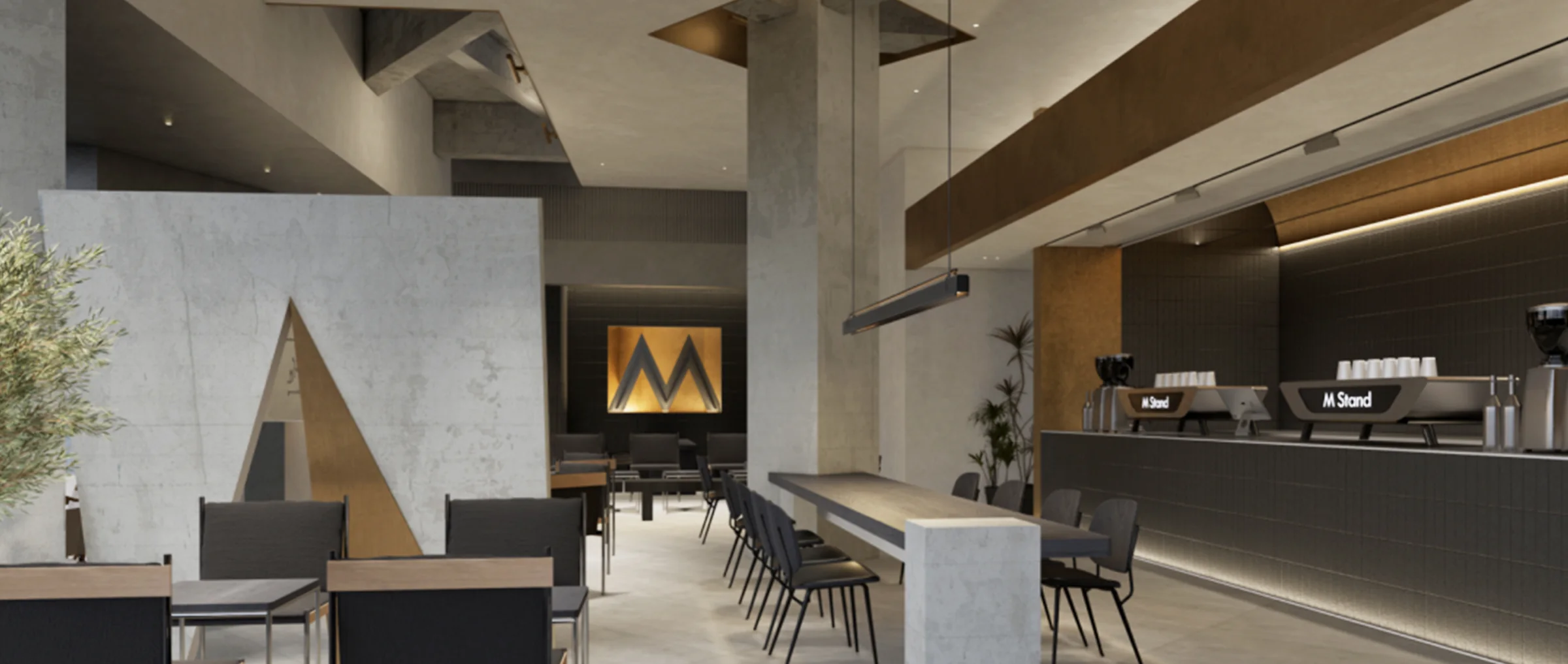
A finish name is only a starting point
Terms such as antique, brushed or warm bronze describe a broad visual family, not a complete specification. Two samples with the same label may look very different. Provide a physical reference where possible and identify the base metal, surface texture, gloss level and any directional grain.
Review it in the right setting
Consider the lighting and adjacent materials in the intended space. A reflective or textured finish can look different at different viewing angles. Photographs are useful for communication but are not a substitute for an agreed physical sample. Record the viewing conditions and the sample identifier used for approval.
Include the difficult details
A flat sample may not show the appearance of a formed corner, welded area, exposed edge or perforation. Discuss which details are visually important and whether a representative component or mock-up is needed. Confirm finish direction across separate panels and how the edges will meet neighboring materials.
Separate appearance from performance
A visually suitable sample does not establish corrosion resistance, fire performance or other regulated properties. Provide the project’s performance specification and ask for the relevant evidence before final selection. Required testing, maintenance guidance and any warranty terms must be confirmed for the actual material and finish system.
Keep approval traceable
Record the project, component, base material, finish reference, sample ID, approval date and drawing revision. Identify the person authorized to approve changes. Keep an agreed reference sample available during production review. Use our finish approval worksheet to capture the decisions without relying on a long email chain.